
By Manan Majithia
At a recent Fast Forward 2030 event hosted in collaboration with UCL Institute for Global Prosperity, entrepreneurs, students and practitioners came together to explore the theme— Rethinking Care: How Entrepreneurs are Innovating Health and Well-being.
The evening opened with Dr Ville Takala (IGP) introducing Fast Forward 2030, its mission, community of entrepreneurs, and network’s role in accelerating impact-driven innovation aligned with the UN Sustainable Development Goals.
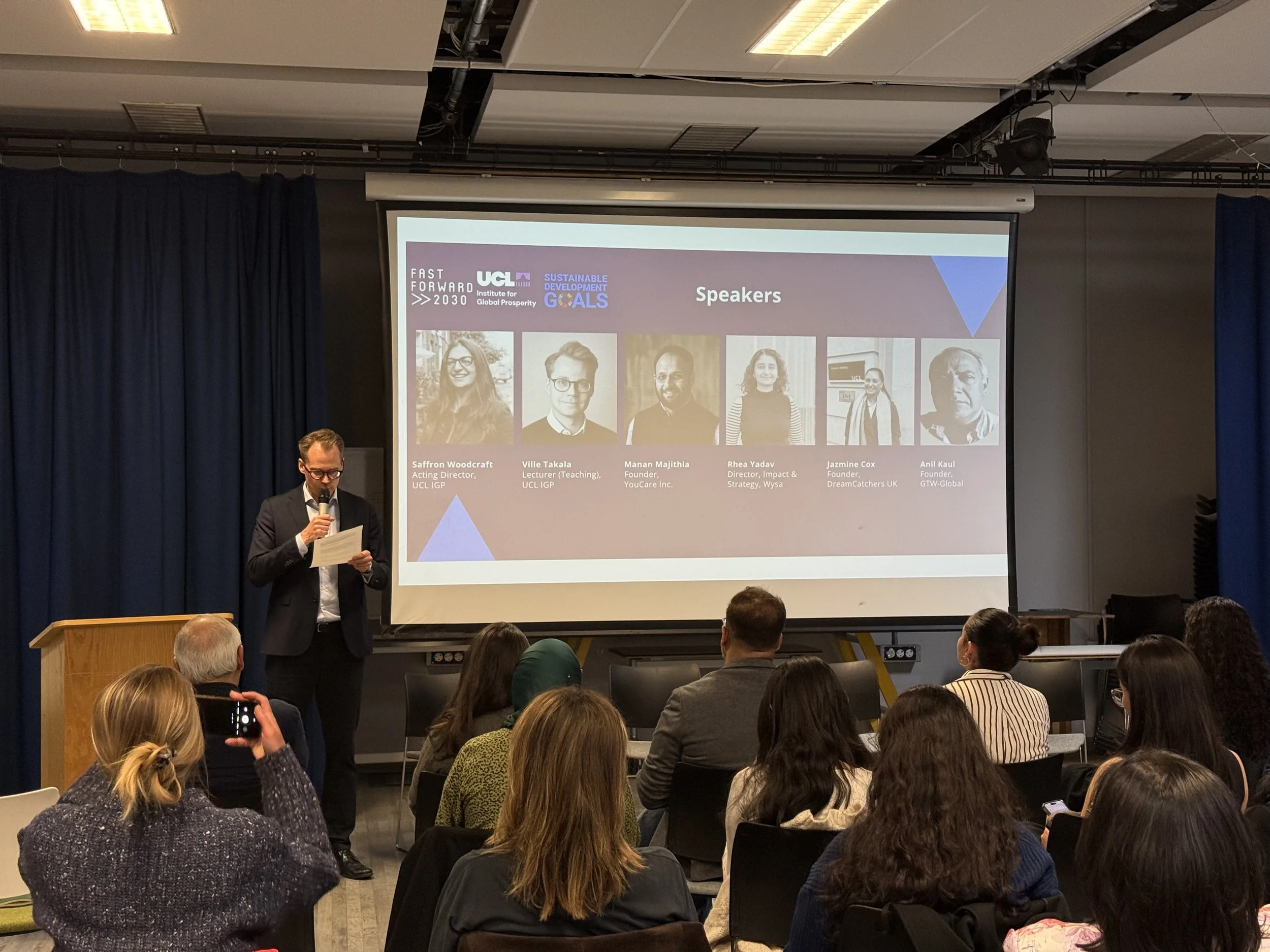
Dr Ville Takala giving the opening remarks
Opening reflections from the Acting Director of IGP, Saffron Woodcraft, challenged the audience to rethink care not simply as a response to illness or crisis, but as a foundational part of how societies enable people to live well. She argued that well-being is shaped by a broad interplay of factors ranging from mental health and livelihood security to social connection and belonging.
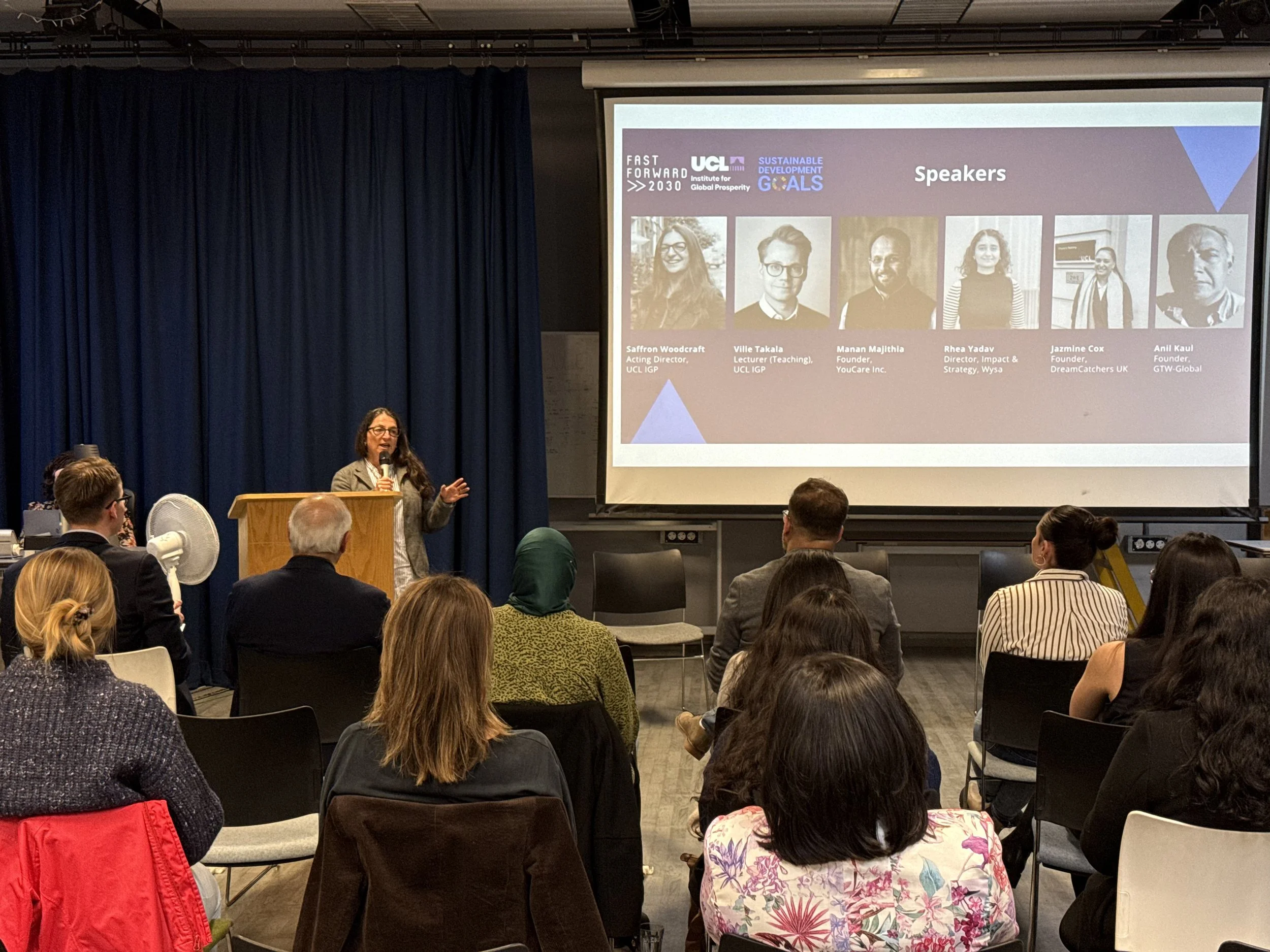
Dr Saffron Woodcraft sharing reflections on the theme
The panel highlighted how entrepreneurs are approaching care from different perspectives while confronting similar systemic barriers.
Rhea Yadav reflected on the opportunities and limitations of AI in mental health care. While technology can create anonymous, non-judgmental spaces that help people open up more quickly, she emphasized that care outcomes are often deeply longitudinal and difficult to measure in the short term.
Anil Kaul discussed the importance of systems thinking in workforce development, stressing that both caregivers and those receiving care must remain central to program design.
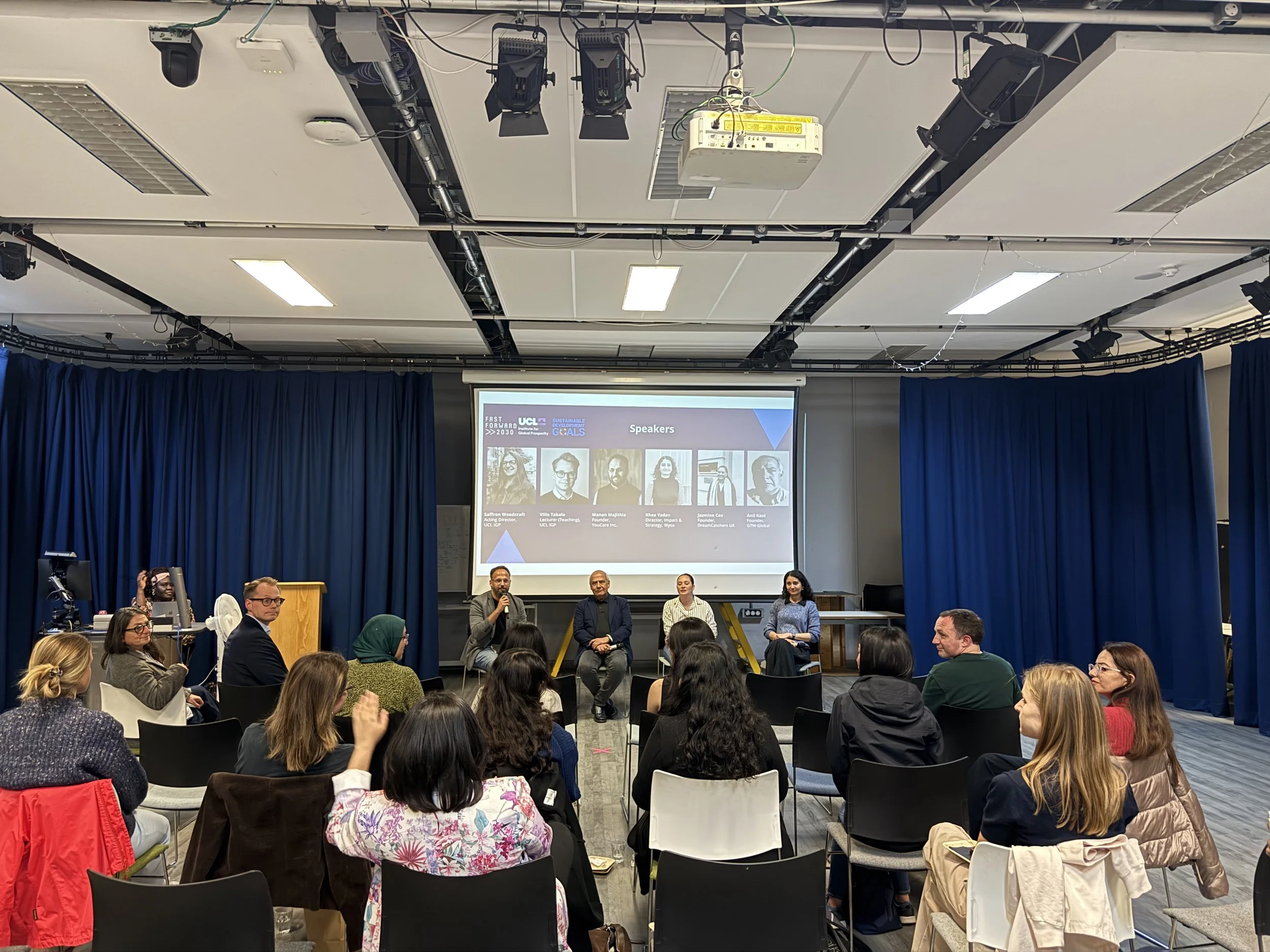
Also, Jazmine Cox brought attention to the importance of trust, participation and culturally relevant community-based approaches to well-being.
Across the discussion, one theme repeatedly emerged— innovation alone is not enough. As Saffron noted, many of the problems in care systems today, such as fragmentation, underfunding and siloed delivery, are not failures of individual organisations, but failures of system design.
The conversation ultimately pointed toward a broader shift, from treating care as a burden or residual service to recognising it as critical social infrastructure that underpins dignity, resilience and prosperity.
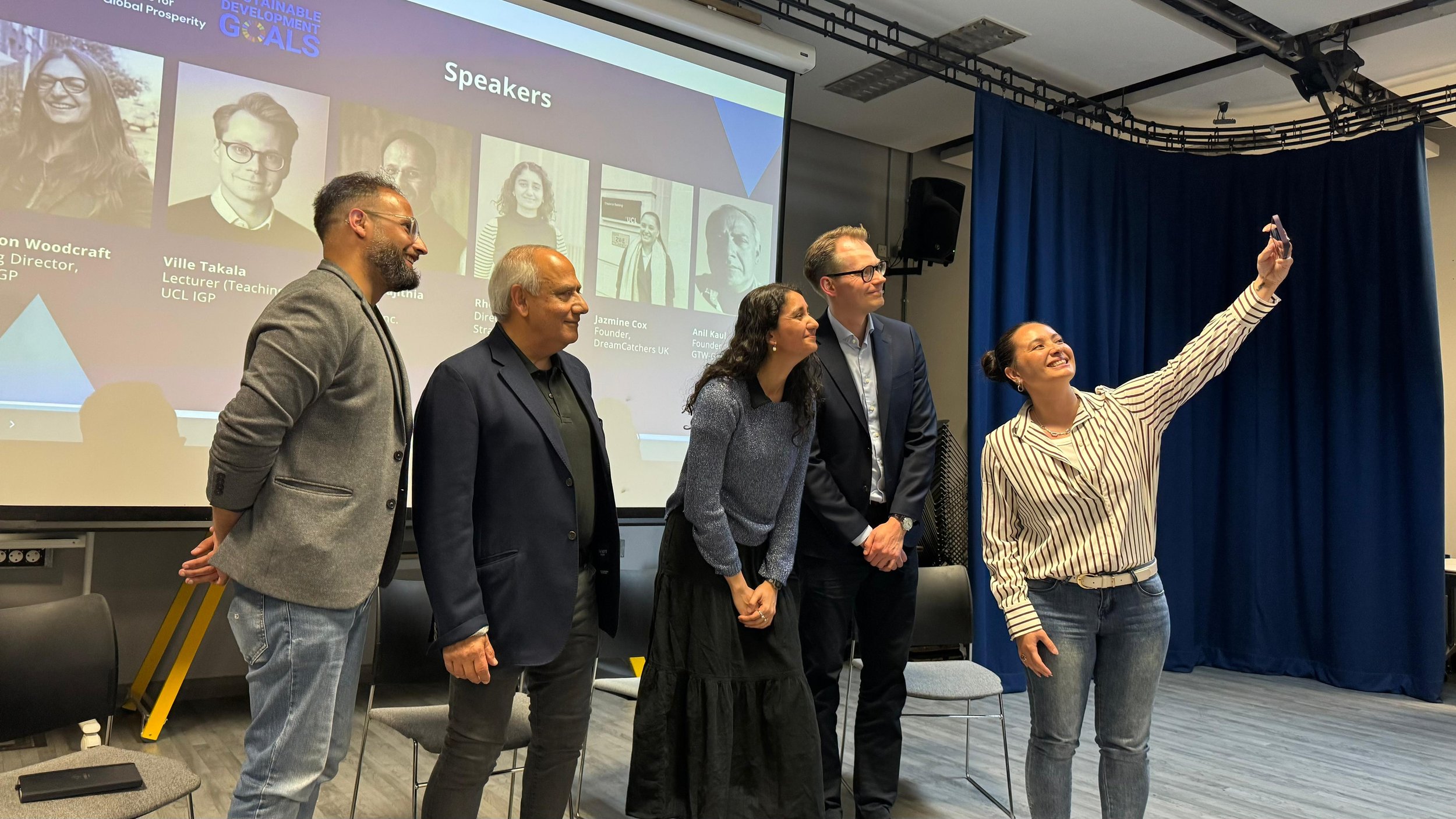
The Power Team (L-R): Manan Majithia, Anil Kaul, Rhea Yadav, Ville Takala and Jazmine Cox
The evening closed with a question for everyone to reflect on: Are we designing systems of care that simply help people survive or systems that genuinely enable them to thrive?
A heartfelt thank you to our panellists for their generous contributions, and to everyone who joined us and made the conversation possible.